
Storage that grows with you, S3-compatible
Distributed storage on Ceph: S3-compatible objects, block and file in a single system, redundant and self-healing. Scale from gigabytes to petabytes with no painful migrations or egress charges.
Object, block and file, one system
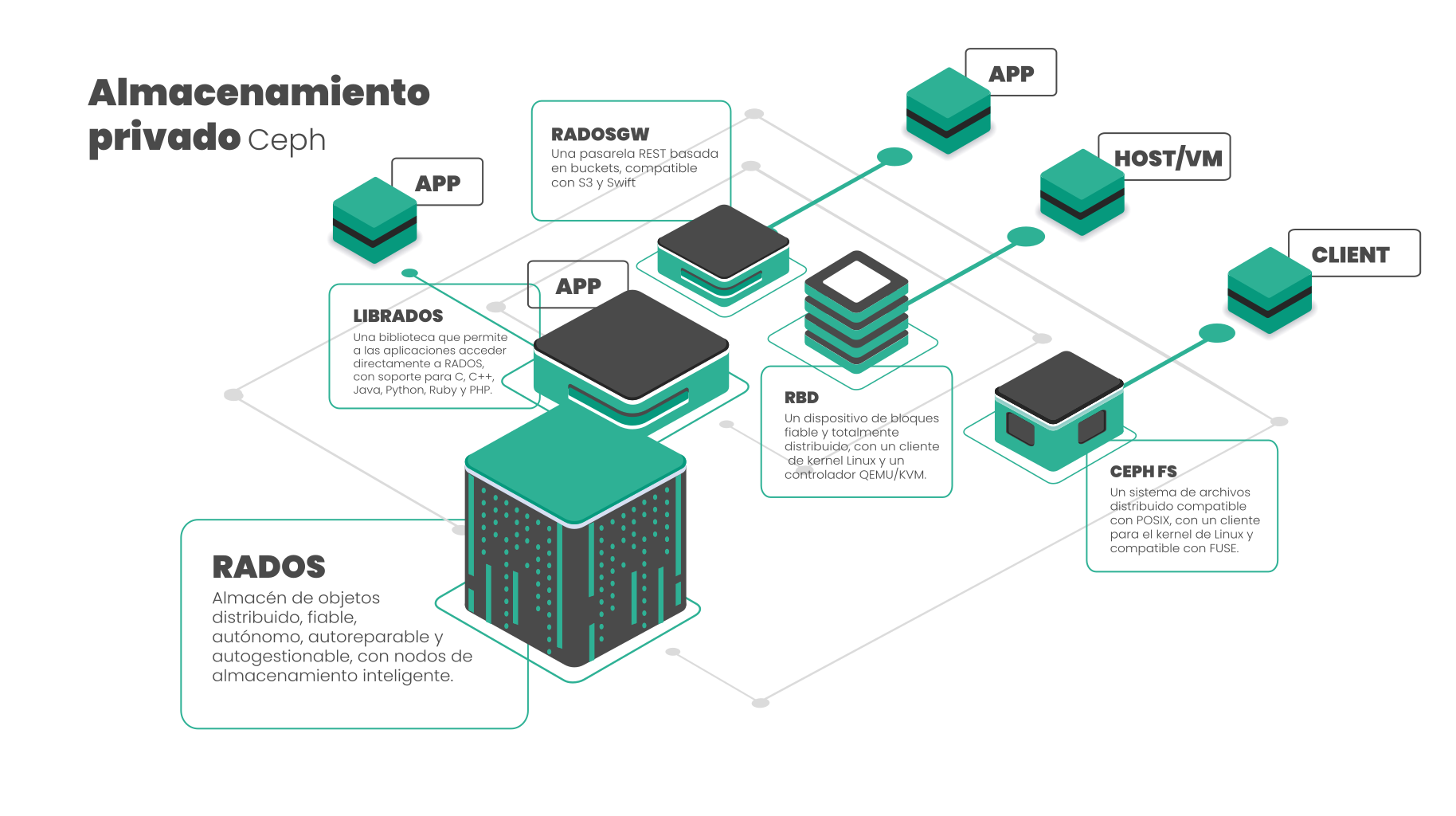
A single Ceph cluster (RADOS) exposes S3-compatible object storage, block volumes and file systems, all replicated and self-healing on the same disk pool.
Capacity with no surprises
Use your existing tools and SDKs without changing a line of code.
Configurable replication plus self-healing that detects failures and redistributes data with no intervention.
Grow from gigabytes to petabytes by adding nodes, without reconfiguring or migrating.
Hot data on SSD and cold data on cost-effective disk, balancing performance and cost.
Built on Ceph (open source): no proprietary licence fees and no vendor lock-in.
Retrieve your data whenever you want, with no surprise egress charges.
The right type for each kind of data
Object, block and file on the same platform, plus the container registry. Priced per GB, with API requests included and no surprises.
Object (S3)
Data, backups and archive
- S3-compatible on Ceph
- Cold, one-zone and multi-AZ classes
- API requests included
Block
Disks for instances
- Cinder (SSD)
- 5,000 or 15,000 IOPS
- Snapshots
File (NFS)
Shared files
- Managed Manila
- From 25 GB to 100 TB
- POSIX NFS access
Container Registry
Container images
- Managed Harbor
- Private and public images
- Free ingress
Object Storage includes 75 GB free per month; egress beyond that is €0.01/GB. Prices exclude VAT, billed by the hour.
For everything you need to keep
Where Tedra's object storage fits.
Backup target
Store backups durably and cost-effectively.
Application data
Serve images, video and files directly from object storage.
Long-term archive
Keep historical data accessible without using expensive storage.
Unstructured data
Multimedia, images, IoT sensor logs or scientific data that keep growing.
Your data in Spain, under your control
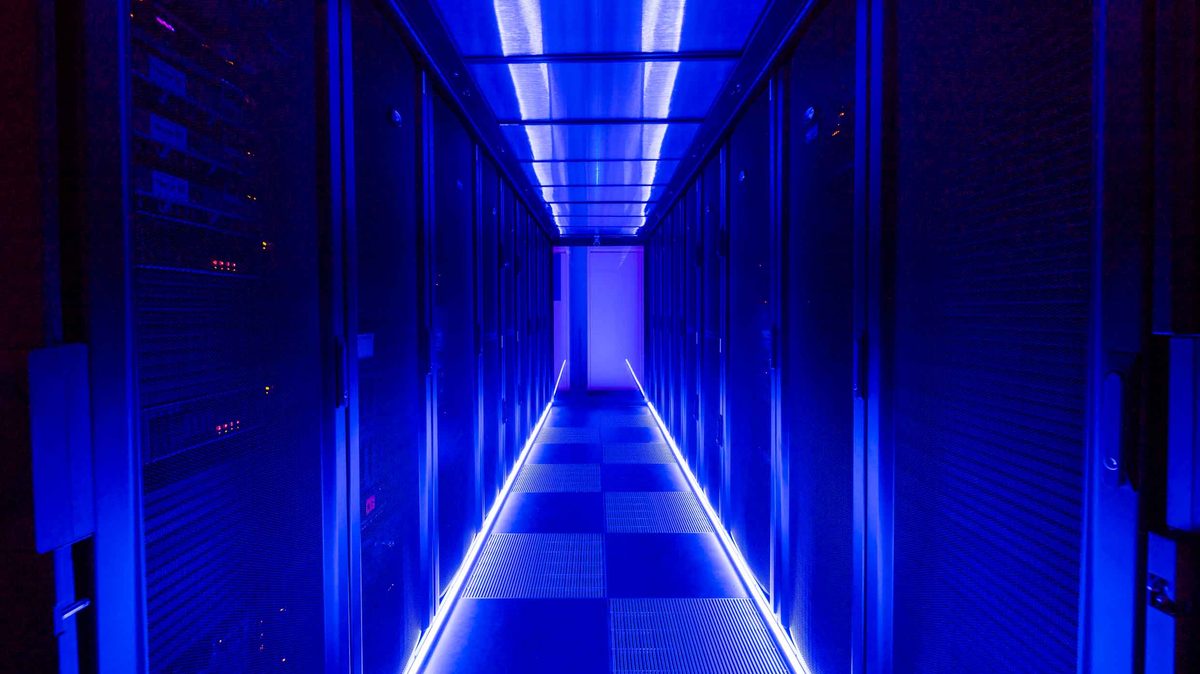
It's not a technical detail: it's who governs your information. With Tedra, your data resides in our data centers in Spain, under Spanish and European law, with no transfers to third countries or access by foreign authorities.
In our data centers in León, Madrid, Barcelona and Bilbao. It never leaves the country unless you decide so.
Subject to GDPR and Spanish law, beyond the reach of foreign regulations like the US CLOUD Act.
We don't replicate your data to third-country regions, as the large hyperscalers do.
ENS High and ISO 27001 verify we protect your information as the public sector requires.
What's included technically
Scalable, redundant objects on Ceph.
| Feature | Detail |
|---|---|
| ACCESS | Object, block and fileS3/Swift (RADOSGW), RBD and CephFS on the same base. |
| API | S3-compatibleStandard endpoints, works with AWS SDK and CLI. |
| REDUNDANCY | Replication and self-healingReplicas or erasure coding, with automatic rebalancing on failure. |
| PERFORMANCE | Cache tieringHot data on SSD, cold on HDD. |
| DATA SERVICES | Snapshots and clonesInstant copies for backup and fast recovery. |
| INTEGRATION | Kubernetes and OpenStackNative volume provisioning for cloud-native platforms. |
| SCALE | From GB to PBHorizontal growth by adding nodes, without interruptions. |
| LOCATION | Data in SpainUnder EU law, in our data centres. |
| COST | No egressNo charges to retrieve your data. |
Frequently asked questions
What does 'S3-compatible' mean?
It exposes the same API as Amazon S3, so you can use existing tools, libraries and applications unchanged by pointing them at our endpoint.
What technology is it built on?
On Ceph, an open-source distributed storage platform, redundant by design and highly scalable.
Does it store only objects, or also block and file?
All three. Ceph is unified storage: S3-compatible object (RADOSGW), block for virtual machines and containers (RBD) and a POSIX filesystem (CephFS), all on the same infrastructure.
Does it integrate with Kubernetes or OpenStack?
Yes. Ceph provisions volumes natively for Kubernetes and OpenStack, so it fits cloud-native and private-cloud strategies.
What happens if a disk or node fails?
The system self-heals: it detects the failure and automatically redistributes replicas to maintain availability and integrity, with no manual intervention.
Are there licence costs?
No. Being based on an open standard, there are no proprietary licence fees: you pay for capacity and service, not for the software.
Is it suitable for backups?
Yes, it's one of its main uses. Combined with our Backup Cloud, it offers durable, verified backups.
Will I pay to retrieve my data?
We don't charge for egress traffic, unlike the large hyperscalers.
Shall we talk about your next project?
Book a no-commitment meeting with our team and get a tailored proposal.